- Home
- About Us
- Products
- Solution
- Accessories Service
- Technicial Service
- Additional Service
- News
- Contact Us
Leave Your Message
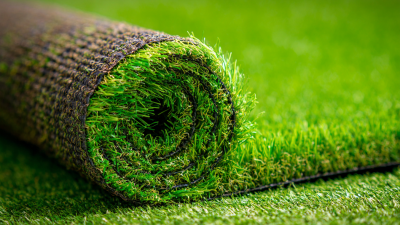
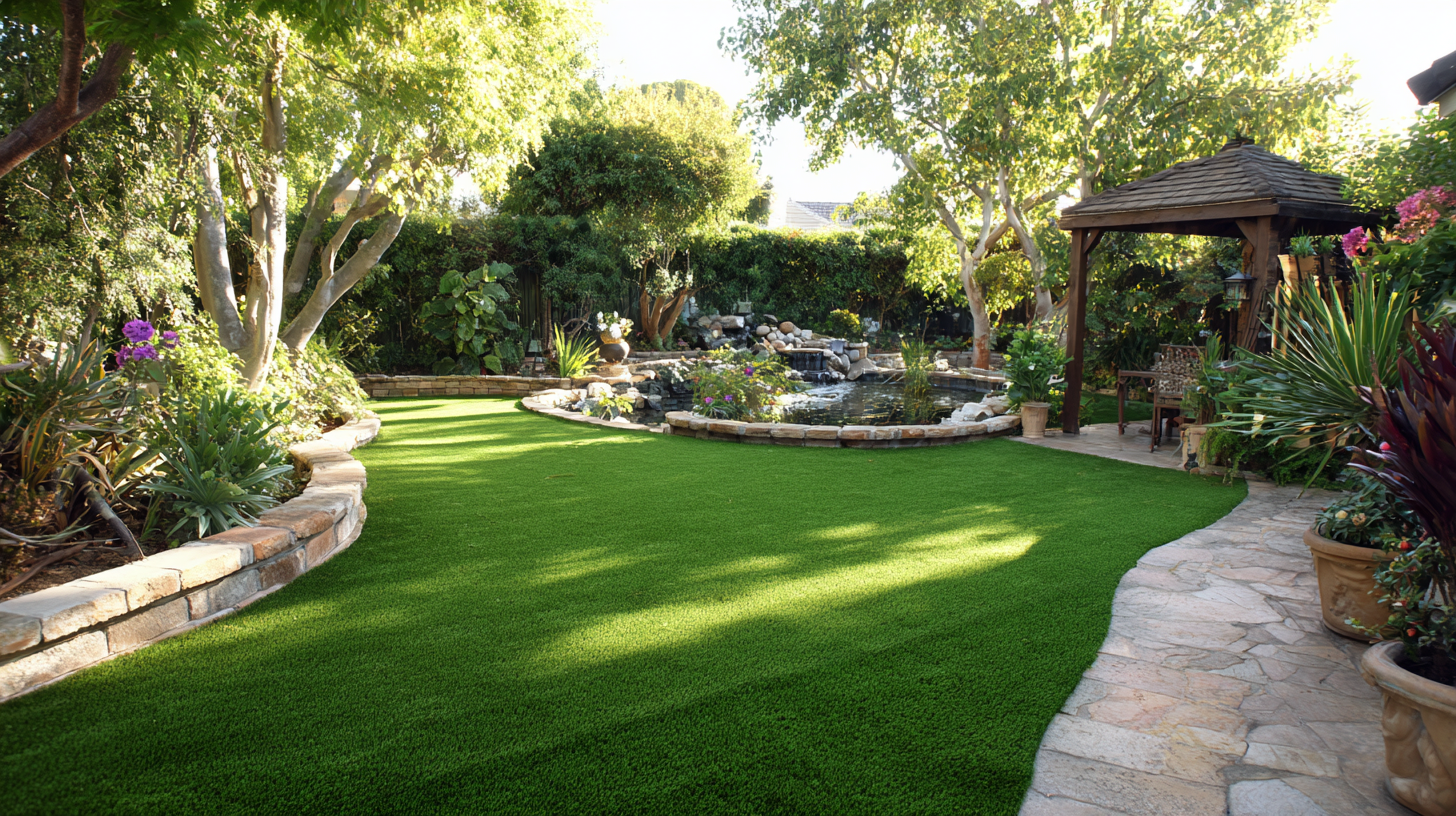
Nowadays, with the landscape design world changing so fast, there's been a real surge in demand for top-notch outdoor and indoor solutions—stuff like Artificial Grass Carpet, for example. If you’ve taken a look at recent market reports, you'll see that the global artificial grass market is expected to hit around $4 billion by 2027. A big reason for this boom is that artificial grass isn’t just pretty—it’s low-maintenance and eco-friendly too. Here at Sanhe Do It The Way Sporting Industrial Co., Ltd., we’ve been paying close attention to these trends. That’s why we’re dedicated to offering innovative, eye-catching, high-performance artificial grass options that fit all kinds of landscapes. Our FITFLOR products are used everywhere—from sports fields to gyms—because we want every space to look great and work well at the same time. Picking the right Artificial Grass Carpet can really boost your landscape—helping it look good and stay safe—so it’s definitely worth considering whether you’re working on a commercial project or sprucing up your home. It’s an investment that pays off for both functionality and style.
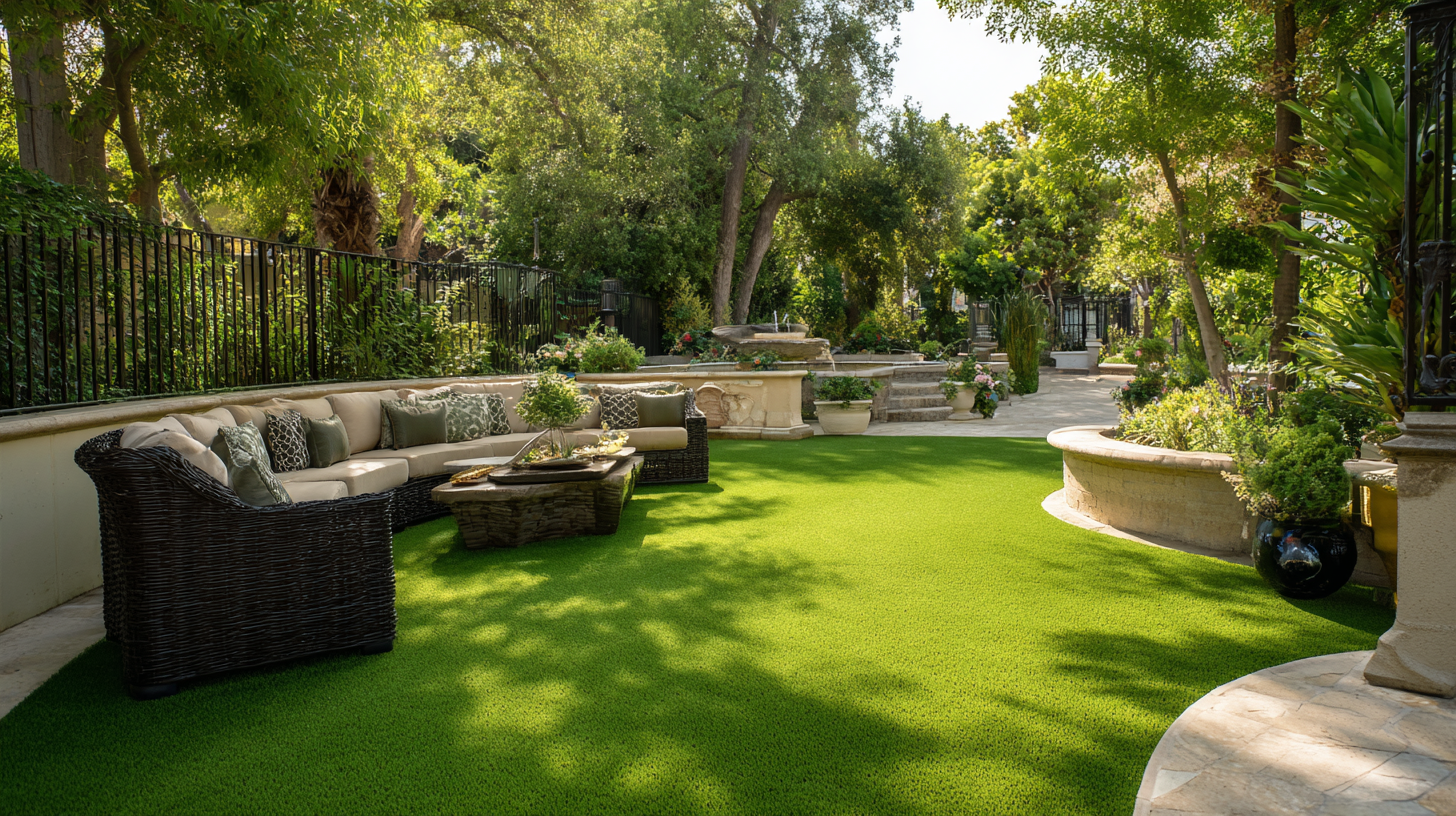
When you're trying to pick out the best fake grass for your yard, it helps to understand the different kinds out there first. Basically, artificial grass mainly falls into two categories: nylon and polyethylene. Nylon is super durable and resilient, making it a great pick if you’ve got a lot of foot traffic or something that needs to stand up to wear and tear. The thing is, nylon tends to be a bit more pricey compared to other options. On the flip side, polyethylene feels softer underfoot and is usually easier on the wallet, so it’s pretty popular for home lawns and spots where pets hang out.
Oh, and don’t forget, artificial grass comes in different pile heights and densities, which influence how it looks and how well it performs. Shorter piles are usually easier to keep clean and are perfect for sports fields, while taller, thicker piles give you that lush, natural look, great for gardens or decorative landscapes. Also, you'll want to consider the type of infill you use—this stuff helps with drainage, cushioning, and the overall look. Getting a grasp on all these factors will help you pick the right fake grass that matches your specific yard or garden needs, without any guesswork involved.
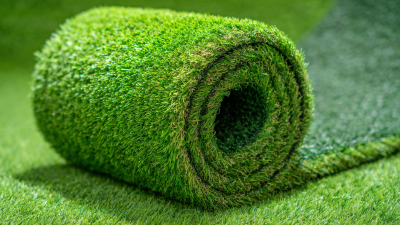
When it comes to enhancing outdoor aesthetics, the Turf Max Artificial Grass emerges as a transformative solution for both residential and commercial landscapes. The innovative design of Turf Max focuses on delivering not just visual appeal but also functional benefits that cater to various outdoor activities. With customizable patterns available, property owners can create a distinctive look that reflects their personal style while ensuring a practical surface for leisure and sports.
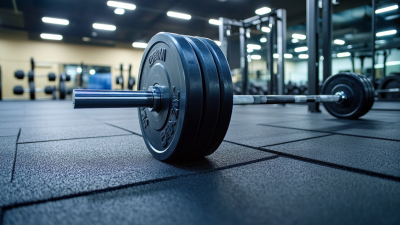
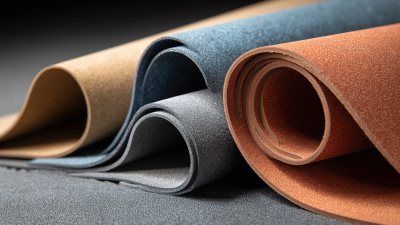
The Max Style variant, crafted from advanced PE material and structured KDK fiber, exemplifies this blend of beauty and performance. Its 150g PET backing fabric ensures durability, while the tufted construction provides a superior texture that is resilient yet soft underfoot. Designed specifically for functional and conditioning training, the Turf Max Style features an additional 5mm PU foam cushioning layer that significantly enhances joint protection during workouts. This thoughtful design allows users to engage in their training routines comfortably, minimizing the risk of impact-related injuries.
What sets Turf Max apart is its versatility; the expansive range of colors and patterns available offers endless possibilities for customization. Whether you are looking to elevate the aesthetics of your backyard or create a dynamic training space at a commercial facility, Turf Max provides the perfect blend of functionality and style. Its outstanding professional performance makes it an ideal choice for athletes and fitness enthusiasts who value both form and performance in their training environments.
: The two main types of artificial grass are nylon and polyethylene. Nylon is known for its durability and resilience, making it suitable for high-traffic areas, while polyethylene offers a softer feel and is more affordable, often preferred for residential lawns and pet areas.
Pile height, ranging from 25mm to 50mm, impacts the realism and softness of the turf. Lawns with a pile height greater than 30mm are perceived as more luxurious and realistic, which is particularly important for residential areas.
Density, measured by stitches per square meter, affects the durability and appearance of artificial grass. High-density turf, with over 14,000 stitches per square meter, looks fuller and withstands wear and tear better, remaining lush longer even in high-traffic scenarios.
When selecting artificial grass, choose a pile height and density that matches your usage needs. For areas with playful kids or pets, a sturdier, denser option may be more suitable to handle wear effectively.
Yes, concerns surrounding "forever chemicals," known as PFAS, in synthetic turf have raised health hazard alarms. Additionally, natural grass is typically better at controlling urban runoff compared to artificial turf.
Studies indicate that natural grass lawns perform better in controlling urban runoff than artificial turf, making this an important consideration for homeowners in areas prone to flooding or water management issues.
While artificial grass offers benefits like low maintenance and longevity, there is a growing awareness of its ecological footprint, prompting homeowners to consider natural alternatives that enhance biodiversity and support the environment.
Homeowners are encouraged to consider natural alternatives to artificial grass that not only support the environment but also help enhance biodiversity and contribute to sustainable landscaping practices.
When you're trying to pick out the perfect artificial grass carpet for your outdoor space, it’s pretty important to get a handle on the different types out there and see how they’d fit into your kinda unique environment. You want to think about stuff like durability, how long it lasts, the pile height, and how dense the grass is—all these little details will help you pick something that not only looks good but can stand up to wear and tear over time. Plus, it’s worth considering the eco-friendliness of your options and doing a quick cost check—sometimes those initial costs seem high, but in the long run, you might save a lot compared to natural grass upkeep.
At Sanhe Do It The Way Sporting Industrial Co., Ltd., we genuinely get it—high-quality artificial grass matters when it comes to creating safe, effective training spots. And let’s not forget about maintenance. Choosing the right turf can make it easier for you to enjoy a lush, green look without the hassle of constant upkeep. When you pick the right kind, artificial grass can totally transform your space, making it not only look great but also work better for your needs.