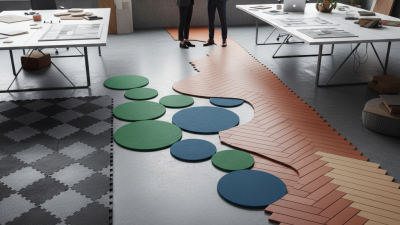
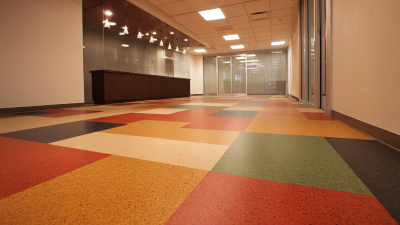
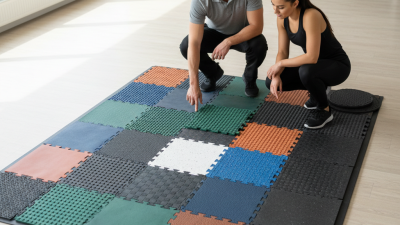
You know, in the ever-changing world of flooring options, Rubber Flooring Tiles are really starting to stand out. They're popular because they're versatile and durable, which is a huge plus. Lots of sectors like sports facilities, retail stores, and healthcare settings are driving demand for high-quality flooring. Back in 2022, the global rubber flooring market was sitting around $4 billion, and honestly, it’s expected to grow a lot more, especially as innovative designs come into play.
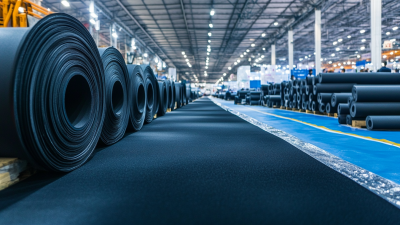
China is definitely a major hub here, with some of the biggest manufacturers specializing in rubber flooring tiles. They’ve made installing this stuff pretty straightforward, which is great for various projects. Companies like Huanan Rubber and Yancheng Rubber are really pushing the envelope with advanced manufacturing techniques—they’re not just meeting industry standards but also paying attention to eco-friendly practices. That said, there are still some issues, like inconsistent quality across different suppliers. This means we really need strict certification to ensure reliability.
With the 139th Canton Fair coming up, there's talk about integrating AI tech to help buyers get a better view of suppliers. Thanks to AI, evaluating a supplier’s credentials can be faster and more accurate, making it easier for buyers to trust who they're working with. Plus, we're seeing more China-based manufacturers focusing on improving user experience and making their products more accessible. Moving forward, quality and innovation will be key, but it's also important to step back and look at what can still be improved in the industry.
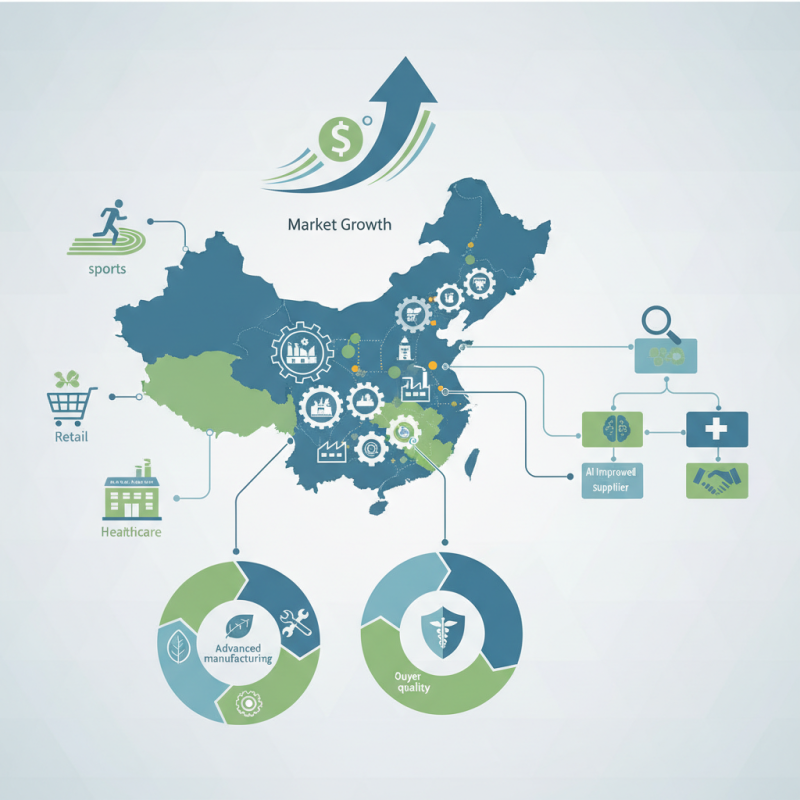
China's rubber flooring tile industry has seen significant growth in recent years. According to the latest industry reports, the global rubber flooring market is projected to reach $8.2 billion by 2026, growing at a CAGR of 5.9%. This trend highlights the increasing demand for quality flooring solutions across various sectors, including residential, commercial, and industrial spaces.
China's manufacturers are well-positioned to meet this demand, especially in OEM and ODM production. Many facilities focus on sustainable practices, using eco-friendly materials in their manufacturing processes. These efforts aim to provide safer and healthier flooring options. However, the industry's reliance on synthetic rubber raises questions about long-term sustainability. The balance between quality and environmental impact is still a challenge many companies are striving to address.
Moreover, while some manufacturers excel in innovation, others struggle with consistency. Quality control remains a critical concern, especially for businesses looking to export. Market reports indicate that 30% of rubber flooring tiles fail to meet international standards due to variations in production processes. Continuous improvement is essential for maintaining competitiveness in this expanding market.
The rubber flooring tile market in China is rapidly growing. In 2022, the market was valued at approximately $2.1 billion. By 2027, this figure is projected to reach $3.5 billion. This growth reflects the increasing demand for durable and eco-friendly flooring solutions globally.
Chinese manufacturers hold a significant share of this market. They account for nearly 35% of the global supply of rubber flooring tiles. This dominance stems from their ability to produce cost-effective products without compromising quality. The industry has seen a rise in innovation, with manufacturers focusing on sustainable materials. However, there remains a challenge. Some producers still rely on outdated processes that may not meet modern sustainability standards.
Data indicates that installation quality varies among regions. In some areas, poor installation practices have led to product failures. This issue highlights the need for improved training and certification for installers. The fragmentation in the manufacturing sector also complicates consistency in quality. Manufacturers are urged to collaborate more closely to address these concerns.
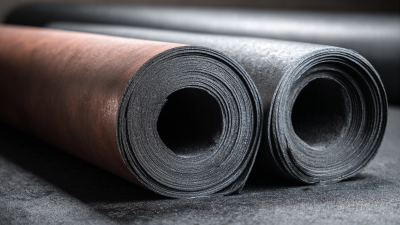
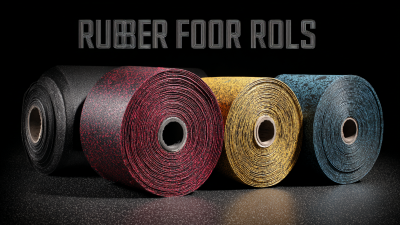
Innovative materials and technologies are transforming the rubber flooring industry. Manufacturers are continually developing eco-friendly options that minimize environmental impact. These advancements lead to the creation of high-performance flooring solutions. For example, Gym Rubber flooring rolls are crafted using sustainable materials. They boast features like anti-slip surfaces and wear-resisting qualities, ideal for high-traffic areas.
Recent innovations include the ability to produce rubber mats in varying thicknesses, from 3mm to 10mm. This flexibility allows for customized solutions based on specific needs. Additionally, anti-static properties are becoming increasingly common in production. These enhancements not only improve safety but also extend the lifespan of the flooring.
However, there are challenges in achieving the perfect balance between quality and cost. Some manufacturers face difficulties in sourcing eco-friendly materials while maintaining competitive pricing. It’s a reminder that growth often comes with hurdles. The industry must continue to seek solutions while embracing the imperfections that arise along the way.
| Manufacturer Type | Production Capacity (Square Meters/Month) | Material Used | Certifications | Key Innovations |
|---|---|---|---|---|
| OEM | 50,000 | Recycled Rubber | ISO 9001, CE | Waterproof Coating Technology |
| ODM | 30,000 | EPDM | ISO 14001 | High Durability Formulation |
| OEM | 70,000 | Natural Rubber | BREEAM | Anti-slip Technology |
| ODM | 40,000 | Synthetic Rubber | ASTM | Eco-friendly Materials |
Quality standards in rubber flooring are crucial for ensuring safety and durability. Chinese OEM/ODM manufacturers play a significant role in this market. They produce a variety of Rubber Flooring Tile options, meeting diverse needs. Quality assurance processes must adhere to national and international standards. This commitment helps to build trust among clients.
Tips for choosing Rubber Flooring Tile include examining certifications and testing procedures. Look for tiles that display ASTM or ISO certifications. Durable materials should withstand heavy foot traffic and resist wear. Pay attention to the thickness of the tiles, as this influences longevity.
Keep in mind that not all manufacturers deliver consistent quality. Some products may fall short. Research customer reviews or seek feedback from industry experts. Understanding the manufacturing process can provide deeper insights into the quality of Rubber Flooring Tile. A focus on quality ensures a safer and longer-lasting flooring solution.
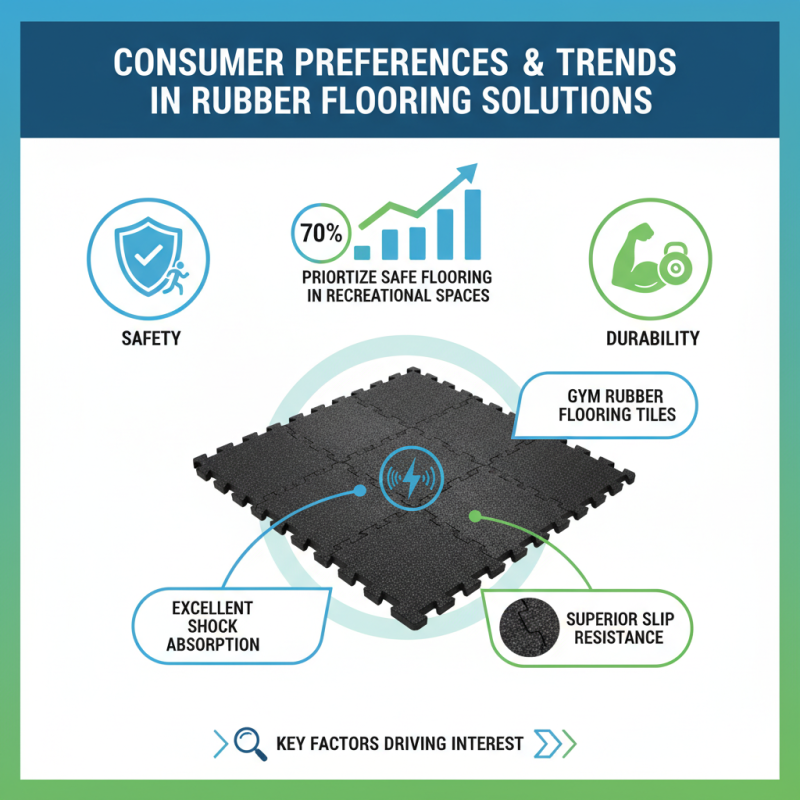
Consumer preferences in rubber flooring solutions have shifted significantly. Factors like durability and safety are paramount. According to a recent report, nearly 70% of consumers prioritize safe flooring in recreational spaces. This is driving interest in gym rubber flooring tile. It provides excellent shock absorption and slip resistance.
Trends show an increasing demand for multifunctional spaces. Consumers seek versatile flooring for gyms, play areas, and home environments. Many now prefer eco-friendly materials. About 40% of buyers consider sustainability when choosing flooring options. However, the variety in quality creates confusion. Not all products deliver the promised benefits.
The design aspect cannot be ignored either. Aesthetic appeal matters in contemporary settings. Consumers desire colors and styles that fit their décor. Yet, the market is flooded with options. This diversity can overwhelm buyers. The challenge lies in finding a balance between quality and visual appeal. Investing time and research is crucial for satisfying choices.
The rubber flooring industry in China is a dynamic market. Several key players significantly impact the competitive landscape. According to a recent industry report, China's rubber flooring market is expected to reach over USD 1.5 billion by 2025, driven by rising demand for sustainable flooring solutions.
These manufacturers primarily supply commercial spaces, gyms, and recreational areas. A notable segment is the "Shock Absorption Fitness Crossfit Rubber Mat Gym Flooring Tile." This product caters to the fitness industry, providing essential shock absorption features. As fitness trends rise, so does the competition among manufacturers.
Challenges such as fluctuating raw material costs and varying quality standards also persist. Many manufacturers struggle with quality consistency. Reports indicate that almost 30% of products fail to meet safety standards. This inconsistency raises concerns for industry stakeholders. Continuous innovation and rigorous quality control are crucial for manufacturers aiming to sustain their market position.
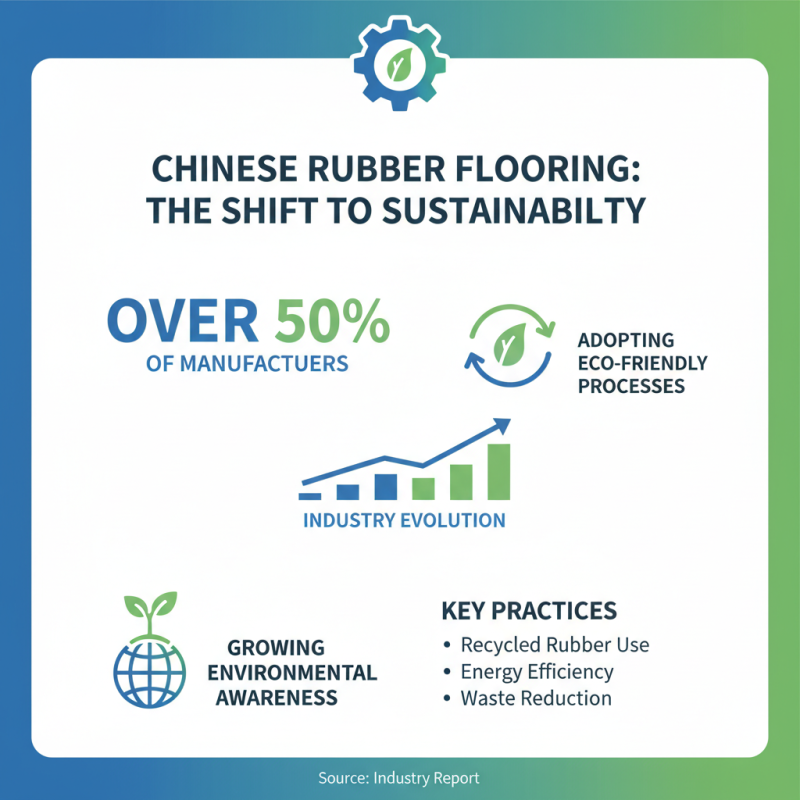
The rubber flooring industry in China is evolving. Many manufacturers are adopting sustainable practices. A significant report indicates that over 50% of Chinese rubber flooring producers now implement eco-friendly processes. This shift reflects a growing awareness of environmental impacts.
However, challenges remain. Some manufacturers still rely on non-recyclable materials. Despite progress, many facilities lack the necessary technologies to truly enhance sustainability. Industry data suggests that only 30% of manufacturers use recycled rubber in their products. This raises questions about the commitment to green practices.
The demand for sustainable flooring continues to rise. Consumers increasingly prioritize eco-friendly options. Yet, the rubber flooring sector has a long way to go. Many companies must invest in innovation. Effective changes are essential for future growth. Only by addressing these issues can the industry improve its overall sustainability and meet market expectations.
: The market is projected to grow at a CAGR of 5.9% and reach $8.2 billion by 2026.
Chinese manufacturers account for nearly 35% of the global supply.
Around 30% of rubber flooring tiles do not meet international standards due to production variations.
Yes, over 50% use eco-friendly processes, but challenges remain for some.
Many still rely on synthetic and non-recyclable materials, raising sustainability concerns.
No, installation quality varies, leading to product failures in some areas.
The balance between quality production and environmental impact presents ongoing challenges for many manufacturers.
Companies need to invest in innovative technologies and better training for consistent quality.
Some still use outdated processes which may not meet modern sustainability standards.
Effective changes addressing current challenges are essential to meet market demands for sustainability.
The article explores the landscape of China's leading OEM and ODM Rubber Flooring Tile manufacturers, highlighting their significant market share and the innovative materials and technologies shaping production today. It emphasizes the importance of quality standards within the industry, showcasing how Chinese manufacturers adhere to rigorous regulations to meet consumer demands.
Furthermore, the article delves into current consumer preferences and trends, noting a growing inclination towards environmentally sustainable practices in rubber flooring solutions. Overall, the competitive landscape is analyzed, identifying key players and their contributions to the industry's evolution, ensuring that high standards and sustainable methods remain at the forefront of rubber flooring tile production.